

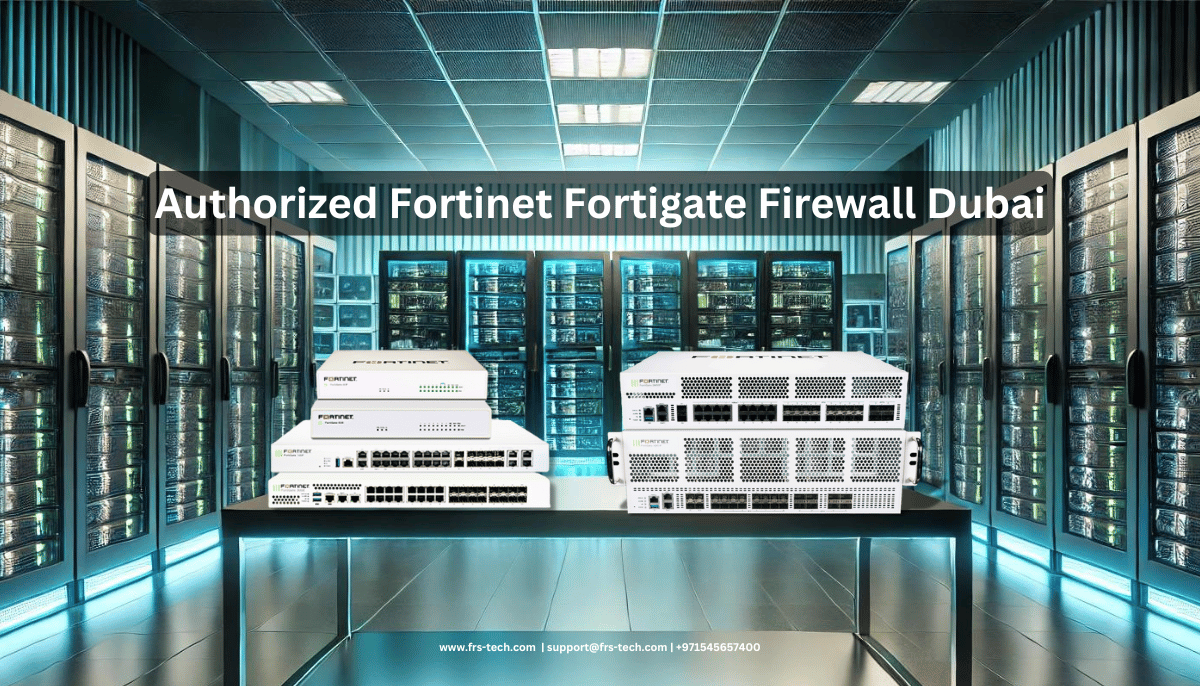
Digital infrastructure has become the nervous system of modern organizations. Every transaction, communication, and stored record depends on secure and responsive networks. As cyber threats grow more sophisticated, infrastructure planning is no longer just about connectivity; it is about protection, resilience, and continuity. Businesses that understand this shift treat network security as a core operational pillar rather than an optional upgrade layered onto existing systems.
When Protection becomes a Performance Requirement
Security is often misunderstood as a barrier that slows operations. In reality, modern network protection enhances performance by preventing disruptions, breaches, and downtime. Enterprises rely on security frameworks that operate invisibly while maintaining speed. When defensive systems are integrated into architecture rather than added afterward, organizations experience smoother workflows and reduced risk. Stability becomes an advantage that supports productivity instead of restricting it.
Architecture Designed for Constant Threats
Fortinet has built its reputation around the idea that networks must defend themselves continuously. Its security architecture focuses on real-time monitoring, automated threat response, and scalable protection models. These capabilities are critical for enterprises handling sensitive data or distributed operations. Systems designed for constant vigilance reduce exposure without overwhelming internal teams, allowing organizations to operate confidently in increasingly hostile digital environments.
Regional Hubs and Secure Distribution
Geography influences how quickly and reliably secure technologies reach organizations. In rapidly developing technology markets, centralized distribution hubs provide consistency and authenticity. Many planners examine the role of a Fortinet distributor in Dubai when designing security frameworks that span multiple offices or data environments. Reliable access ensures certified equipment, predictable logistics, and alignment with enterprise standards across regional deployments.
Navigating Cross-Border Infrastructure
Organizations rarely operate within a single jurisdiction. Enterprises active in the UAE and Saudi Arabia frequently maintain connections across North Africa, RU, Ukraine, South Africa, Tajikistan, and Turkmenistan. Each region introduces unique regulatory expectations and infrastructure maturity levels. Security frameworks must adapt without weakening. Flexible architectures allow businesses to remain compliant while maintaining consistent protection across geographically diverse operations.
Devices as Gateways to Secure Work
Security is not limited to data centers. End-user devices serve as entry points into enterprise networks. Hardware reliability, firmware integrity, and system design influence overall protection. Many organizations evaluating workplace technology also explore insights related to an ASUS distributor in Dubai as part of broader device security discussions. This research helps planners understand how endpoints contribute to holistic network defense strategies.
Balancing Innovation with Control
Technology evolves rapidly, but security requires discipline. Enterprises must innovate without introducing unmanaged vulnerabilities. Structured testing, phased deployment, and continuous monitoring allow organizations to adopt new tools responsibly. When innovation is paired with governance, infrastructure grows stronger instead of fragmented. This balance protects operational continuity while encouraging forward movement in competitive digital environments.
The Human Dimension of Cyber Defense
Security systems succeed when people understand them. Training, documentation, and shared accountability reduce the risk of human error, which remains a leading cause of breaches. Organizations that embed security awareness into culture strengthen their defenses naturally. Employees become participants in protection rather than passive users, creating a resilient environment where vigilance is distributed instead of centralized.
Information as a Defensive Asset
Knowledge is one of the strongest security tools available. Informational resources help leaders interpret emerging threats and evolving standards. Blogs and technical discussions translate complex security concepts into practical guidance. When decision makers engage with educational content, they develop proactive strategies instead of reactive responses. Awareness transforms uncertainty into structured planning.
Infrastructure as a Shield For Growth
Secure infrastructure enables expansion. Businesses confident in their defenses pursue partnerships, remote operations, and digital services without hesitation. Protection becomes a growth catalyst rather than a constraint. Enterprises that invest early in resilient frameworks avoid crisis-driven spending later, maintaining operational momentum even during periods of rapid change.
Preparing for a Future of Continuous Threats
Long term security planning recognizes that threats never disappear; they evolve. Organizations that prepare for continuous adaptation outperform those reacting only after incidents occur. Regular audits, vulnerability testing, and lifecycle reviews create a rhythm of improvement that strengthens defenses over time. When security becomes a routine discipline rather than an emergency response, teams operate with greater confidence. This mindset encourages proactive budgeting, smarter upgrades, and clearer communication between technical and executive leadership. Enterprises that normalize ongoing evaluation reduce panic, preserve trust, and maintain operational stability even as the digital landscape grows more complex. Preparation becomes a competitive advantage that supports resilience without slowing innovation.
A Subtle Guide in a Complex Landscape
Within this ecosystem, Tech Distributor operates as an informational reference rather than an aggressive seller. By providing visibility into enterprise technologies and regional availability, we support organizations navigating complex planning decisions. This quiet presence helps readers move from research to informed action with clarity, ensuring infrastructure choices reflect long-term confidence instead of short-term urgency.